Review · Culture
Ticket to Ride review: still the best gateway board game?
Twenty years on, Ticket to Ride remains a go-to family board game. We look at how it plays, who it suits and which edition to buy in 2026.
 Bitezine Editorial TeamRankings, reviews & guides 7 min read
 AI generated
 Board game · Mid-range
Ticket to Ride
Ticket to Ride is a near-perfect gateway board game: simple to teach, tense to play and enjoyable for families and adults alike, though experienced gamers may want more depth.
What we like
- +Rules can be taught in about ten minutes
- +Satisfying mix of set collection, route planning and light blocking
- +Works well from 2 to 5 players
- +Colourful board and plastic trains with good table presence
- +Huge range of maps and expansions to extend play
What could be better
- −Luck of the card draw can decide close games
- −Limited strategic depth for heavy-game fans
- −Standard cards are small and wear with frequent play
- −Two-player games on the USA map can feel loose
Best for: Families and newcomers to modern board games
Visit Days of Wonder (Asmodee) →Ticket to Ride was first published by Days of Wonder in 2004 and won Germany's Spiel des Jahres that same year. Designed by Alan R. Moon, it has since sold millions of copies and spawned a whole family of maps, standalone editions and digital versions. For many people, it was the game that showed them board games had moved far beyond Monopoly.
This review looks at the original USA edition, based on the publisher's information, independent board game reviews and the experience of the wider player community. We cover how it plays, what works and what doesn't, and which version is the right buy in 2026.
How to play Ticket to Ride
Players are building railway routes across a map of North America. On each turn, you do one of three things: draw coloured train cards, claim a route between two cities by playing matching cards, or take new destination tickets. Tickets name two cities you secretly aim to connect; complete them for bonus points, fail and you lose points.
The game ends when a player is nearly out of trains. Points come from claimed routes, completed tickets and a bonus for the longest continuous route. That simple loop is the game's genius: every turn is quick, but choosing when to stop collecting cards and start claiming routes creates constant tension.
- Draw train cards
- Claim a route
- Draw destination tickets
Components and design
The large board and chunky plastic trains look great on the table, and the colour-coded routes are easy to read. Each player gets 45 trains in their colour. The main criticism across reviews is the size of the cards, which are small in the base game and can wear with heavy use; many owners sleeve them or upgrade to the larger cards found in some later printings and anniversary editions. Colour-blind players can use the symbols printed on the cards and board.
What it's like to play
Ticket to Ride hits a rare balance. New players can focus on their own tickets and still have fun, while experienced players look at which routes rivals need and block key connections. The moment someone takes the one route you needed is a big part of the game's drama.
Luck plays a role, since the face-down draws and tickets can favour one player. That keeps games open and friendly for mixed groups, but it can frustrate competitive players. With three to five players the map feels crowded and tense; with two, it is more relaxed, and some fans prefer other maps for two-player games.
Which Ticket to Ride should you buy?
The original USA edition is the easiest place to start. Ticket to Ride: Europe adds tunnels, ferries and stations, which many players consider a slightly richer game. Ticket to Ride: First Journey is designed for younger children, and the city editions such as London, New York and Amsterdam are small, quick games for two to four players. Map collection expansions add new boards once you have the base set.
Who is Ticket to Ride for?
It is ideal for families with children aged around eight and up, couples, and friends who want an easy game for a relaxed evening. It is also a great first step into modern board games. Players who love long, complex strategy games may find it too light for regular play, though many still keep it for game nights with guests.
Beginner strategy tips
A few simple ideas help new players enjoy Ticket to Ride more. Long routes score disproportionately more points than short ones, so saving cards for six-train routes can be worth it. Try to pick destination tickets that overlap, so one network completes several of them. Keep an eye on the choke points between cities, where only one or two routes exist, and claim them early if you need them.
Finally, watch how many trains other players have left. The end of the game can arrive quickly, and being caught with unfinished tickets is the most common way to lose a close game. Taking extra tickets late in the game is a gamble that experienced players only make when their network is already well connected.
Is Ticket to Ride worth it?
Sitting in the mid-range price bracket for board games, Ticket to Ride offers excellent value thanks to its replayability and the fact that almost anyone can join in. It is one of the few games that reliably gets played again and again, years after purchase.
Key specs
- Designer
- Alan R. Moon
- Publisher
- Days of Wonder (first published 2004)
- Players
- 2 to 5
- Play time
- 30 to 60 minutes
- Age
- 8+
- Components
- USA map, 225 plastic trains, train and destination ticket cards
- Awards
- Spiel des Jahres 2004
Alternatives to consider
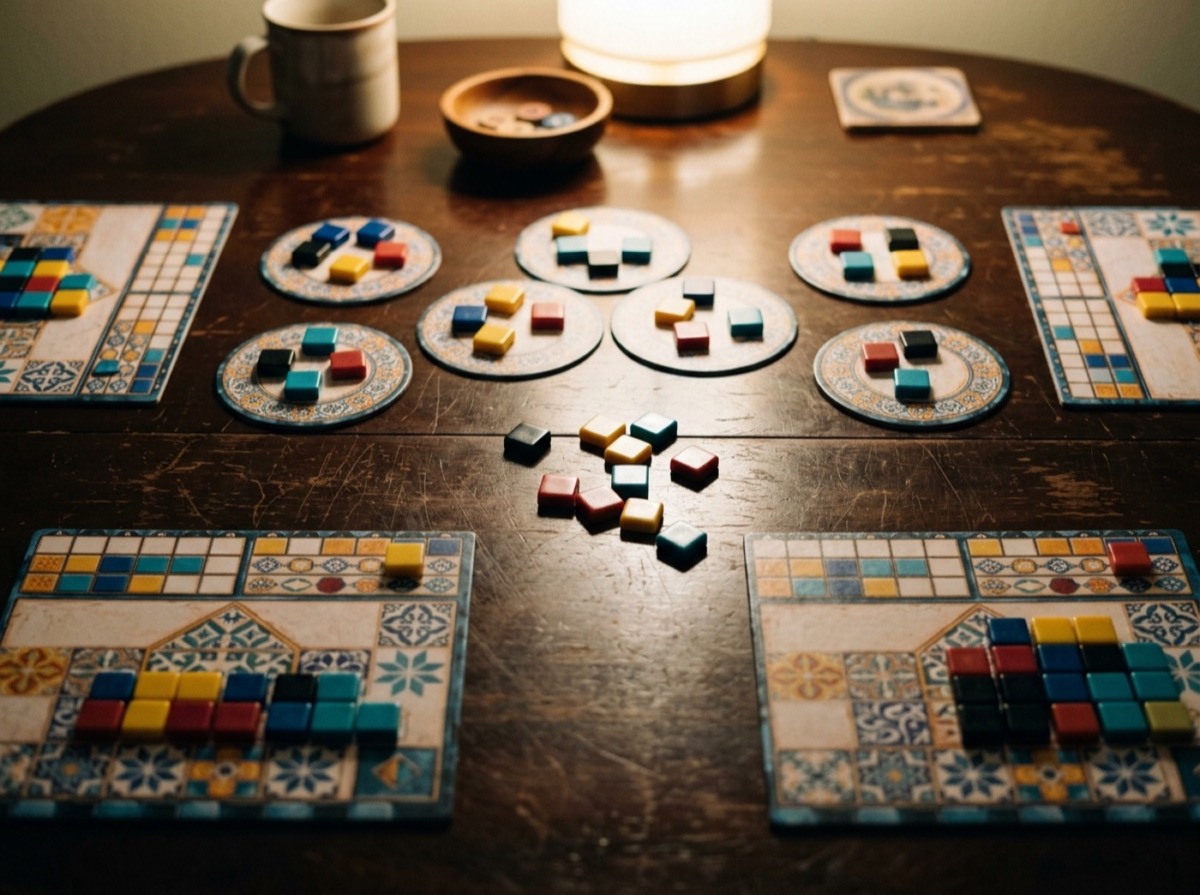
- Azul: Another quick, elegant family game with tactile tile drafting.
- Wingspan: A step up in complexity with beautiful engine-building.
- Catan: A classic gateway game with trading and more player interaction.
Frequently asked questions
How long does Ticket to Ride take to play?
+
Most games take between 30 and 60 minutes, depending on player count and how experienced the group is. First games often run a little longer.
Is Ticket to Ride good for two players?
+
Yes, it works with two, though the board feels less crowded and less competitive. Some players prefer the Europe edition, the city editions or specific map expansions for two-player games.
What age is Ticket to Ride for?
+
The publisher recommends ages 8 and up. Younger children may enjoy Ticket to Ride: First Journey, a simplified version.
Is Ticket to Ride Europe better than the original?
+
Europe adds stations, tunnels and ferries, which give a bit more flexibility and strategy. The original USA map is simpler and a good first choice; many fans eventually own both.
Who designed Ticket to Ride?
+
Ticket to Ride was designed by Alan R. Moon and published by Days of Wonder in 2004. It won the Spiel des Jahres in the same year.
Can you play Ticket to Ride online?
+
Yes. Official digital versions are available on several platforms, which is a good way to learn the rules before buying the physical game.
Is Ticket to Ride fun for adults only?
+
Yes. Although it is a family game, many adult groups play it regularly because the blocking and route planning create real tension. Groups wanting more strategy often move to the Europe edition or map expansions.
Ticket to Ride has earned its reputation as a modern classic. It is easy to learn, full of small dramatic moments and flexible enough for families, couples and casual game nights. Hardcore strategy fans may want something meatier, but as a first modern board game or a reliable crowd-pleaser, it is still one of the best buys in 2026.
How we research: Reviews are based on the maker’s specifications, published independent tests and owner reports. Scores compare the product with others in its class.
Written by
Bitezine Editorial Team
Rankings, reviews & guides
Our editors research every piece from makers’ documentation, independent tests and owner reports, and update it when products change.