Money
Inflation explained: what it is, why it happens and what it means for you
Inflation explained simply: how rising prices are measured, what causes them, why central banks aim for 2 percent and how inflation affects your savings.
 Bitezine Editorial TeamRankings, reviews & guides 5 min read
 AI generated
Inflation explained in a sentence: it is the general rise in prices over time, which means each euro, dollar or pound buys a little less than before. A small amount of inflation is normal in a healthy economy. A lot of it, or too little, causes problems.
This guide covers how inflation is measured, what drives it, why central banks care so much about it and what it means for your wages, savings and debts. It is general information, not financial advice.
What is inflation?
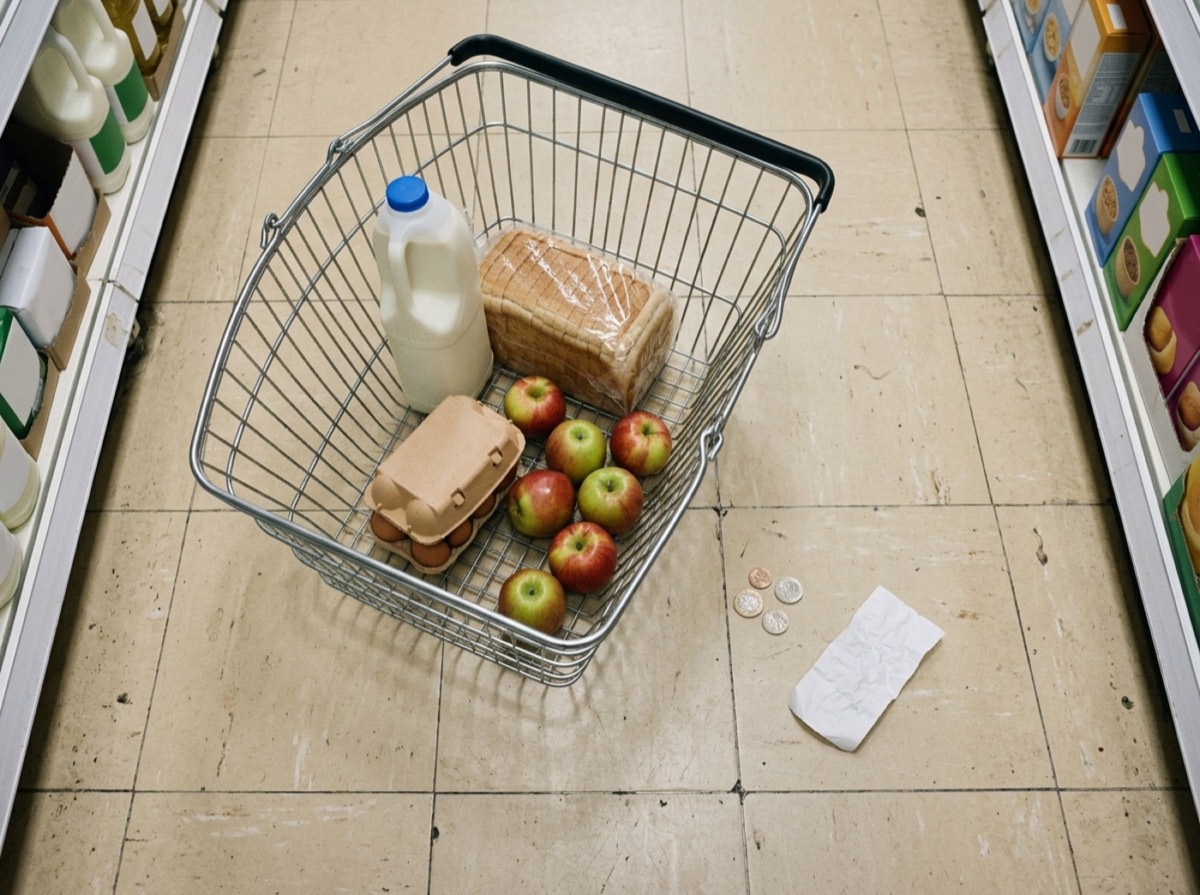
Inflation is the rate at which the average price level of goods and services increases, usually expressed as a percentage change over twelve months. If annual inflation is 3 percent, a basket of shopping that cost 100 a year ago now costs about 103.
The flip side is falling purchasing power. Your money does not disappear, but it buys less. That is why inflation matters even to people who never read economic news.
A simple rule helps show how quickly inflation adds up. Divide 72 by the annual inflation rate to estimate how many years it takes for prices to double. At 2 percent, prices roughly double in about 36 years; at 6 percent, in about 12. The same rule works in reverse for purchasing power, which is why even moderate inflation matters for long-term savings and retirement plans. It is also why economists pay attention to whether high inflation is a short spike or a lasting trend.
How is inflation measured?
Statistics offices track the prices of a large, representative basket of goods and services that households buy: food, rent, energy, clothing, transport, leisure and more. Each item is weighted by how much households typically spend on it. The change in the cost of the whole basket is the inflation rate.
In the euro area, the European Central Bank uses the Harmonised Index of Consumer Prices, or HICP, which is calculated in the same way across member states so that countries can be compared. Many countries also publish a national consumer price index.
Economists often watch core inflation too. It leaves out volatile items such as energy and food to show the underlying trend.
Your money does not disappear, but it buys less.
What causes inflation?
Economists usually describe three main drivers, which often overlap.
- Demand-pull: when people and businesses want to buy more than the economy can produce, sellers raise prices.
- Cost-push: when production gets more expensive, for example because of higher energy or raw material prices, firms pass costs on.
- Expectations: if people expect prices to rise, workers ask for higher wages and firms raise prices in advance, which can make inflation self-reinforcing.
- Money and credit: when money and borrowing grow much faster than the economy's output over long periods, prices tend to rise.
Why is the inflation target 2 percent?
Many central banks aim for inflation of around 2 percent. The European Central Bank targets 2 percent over the medium term and treats deviations above and below that level as equally undesirable.
Why not zero? A small positive rate gives a safety margin against deflation, a sustained fall in prices. Deflation can lead people to delay purchases, deepen recessions and make debts harder to repay. A modest cushion also gives central banks more room to cut interest rates when the economy weakens.
How central banks fight inflation
The main tool is the interest rate. When inflation runs too high, central banks raise their key rates. Borrowing becomes more expensive, saving becomes more attractive and demand cools, which eases price pressure over time. When inflation is too low, they cut rates to encourage spending and investment.
These effects take time, often a year or more, which is why central banks look at forecasts rather than just today's figures.
How does inflation affect your savings and debts?
What matters for savers is the real interest rate: the interest you earn minus inflation. If your savings account pays 2 percent while inflation is 3 percent, your money loses about 1 percent of purchasing power per year, even though the balance grows.
Borrowers experience the opposite effect. Inflation erodes the real value of fixed-rate debt, so a fixed mortgage payment becomes a smaller share of income as wages rise. Variable-rate borrowers, however, often face higher payments when central banks raise rates.
Wages matter too. If your pay rises more slowly than prices, your real income falls, which is worth remembering when you negotiate a raise.
How to protect your money from inflation
No approach removes the risk entirely, but several habits help. Keep your emergency fund in an account with a competitive interest rate rather than a zero-interest current account. For long-term goals, many people hold diversified investments such as broad equity funds, which have historically outpaced inflation over long periods, although their value can fall sharply in the short term.
Review your budget when prices rise, compare fixed contracts such as energy and insurance, and consider locking in fixed rates on loans when that suits your situation.
Frequently asked questions
What is inflation in simple terms?
+
Inflation is the general increase in prices over time. When inflation is high, the same amount of money buys fewer goods and services than before.
What causes inflation?
+
The main causes are strong demand that outpaces supply, rising production costs such as energy, and expectations of future price rises that feed into wages and prices. Rapid growth in money and credit can also play a role over longer periods.
Why do central banks want 2 percent inflation instead of zero?
+
A small positive rate protects against deflation, which can deepen recessions, and gives central banks room to cut interest rates. The European Central Bank targets 2 percent over the medium term.
How does inflation affect my savings?
+
If the interest on your savings is lower than inflation, your money loses purchasing power even as the balance grows. The difference between the two is called the real interest rate.
What is the difference between inflation and deflation?
+
Inflation means prices are rising on average, while deflation means they are falling on average over a sustained period. Both can harm the economy when they are large or persistent.
Is inflation good or bad?
+
Low, stable inflation is generally considered healthy. High or unpredictable inflation erodes savings and makes planning difficult, while deflation can discourage spending and investment.
Inflation shapes the value of everything you earn, save and owe. Understanding how it is measured and why it rises helps you read the news with a clearer eye and make better choices: aim for a positive real return on savings, keep an eye on your real wage and review your budget when prices climb.
How we research: Guides are written from established sources and checked for accuracy. They are general information, not professional advice.
Written by
Bitezine Editorial Team
Rankings, reviews & guides
Our editors research every piece from makers’ documentation, independent tests and owner reports, and update it when products change.