Money
How to lower your energy bills without freezing
How to lower your energy bills: compare tariffs, heat smarter, cut standby power, use appliances efficiently and read your meter to stay in control.
 Bitezine Editorial TeamRankings, reviews & guides 5 min read
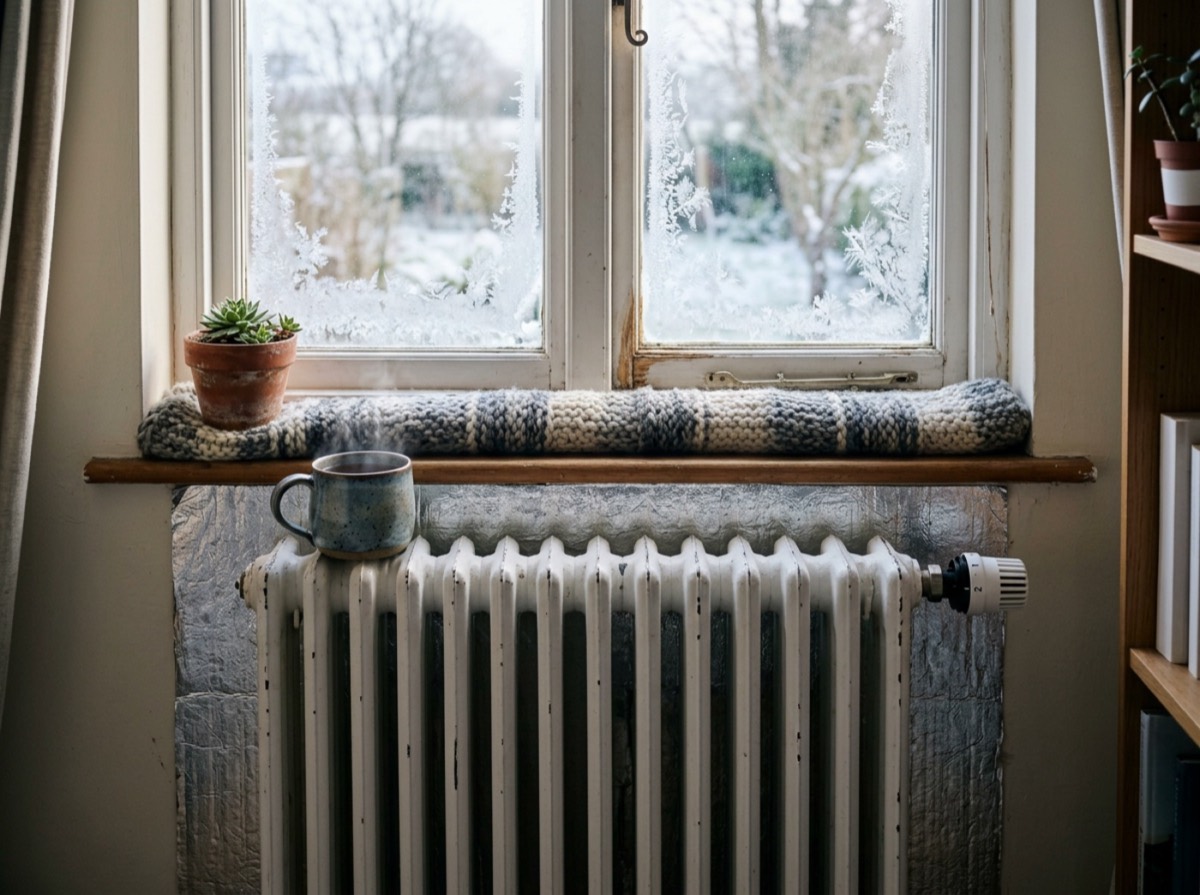 AI generated
Learning how to lower your energy bills starts with two questions: what are you paying per unit, and how many units are you using? Most savings come from improving one or both, and many of the steps cost nothing at all.
This guide covers the changes with the biggest effect for typical households, from switching tariffs to small heating habits. It is written with European homes in mind, but most of it applies anywhere. It is general information, not financial advice, so check the terms of your own contracts before making changes.
Check your tariff and compare energy suppliers
The fastest way to cut a bill is often to pay less for the same energy. Many households stay on a supplier's default or basic tariff for years, which is frequently more expensive than the supplier's own fixed-term offers or a competitor's deal.
Find your latest bill and note your annual consumption, your unit price and your standing charge. Then use an independent comparison site to see what else is available for that usage. Look at the total annual cost rather than a headline discount, and check the contract length, notice period and whether the price is guaranteed.
In Germany and many other EU countries, switching is usually handled by the new supplier, and your supply continues without interruption during the change.
How to save on heating costs
Heating is the largest energy cost in most homes in colder climates, so small changes add up. German energy advisers commonly estimate that each degree of lower room temperature saves around six percent of heating energy.
The German Environment Agency recommends no more than about 20 °C in living areas, around 18 °C in the kitchen and about 17 °C in the bedroom. Turn the heating down at night and when you are out, and further when you are away for several days.
- Keep radiators free of furniture and heavy curtains.
- Close doors between heated and unheated rooms.
- Close curtains or blinds at night to hold in warmth.
- Bleed radiators that gurgle or stay cold at the top.
- Seal draughts around windows and doors with inexpensive strips.
The fastest way to cut a bill is often to pay less for the same energy.
Ventilate the right way in winter
Leaving a window tilted open all day wastes a lot of heat and cools the walls around it, which can encourage mould. The better method is short, intense airing: open the windows fully for about five to ten minutes several times a day, ideally with the heating turned down while you do it.
Air especially after showering, cooking and drying laundry, when humidity is highest.
How to reduce your electricity bill
Standby power is a quiet drain. The German Environment Agency notes that an older device left on standby can draw around 15 watts, which adds up over a year. Switchable power strips make it easy to turn off a whole TV or computer setup at once.
Fridges and freezers account for a large share of household electricity, roughly a fifth according to the same agency. Keep the fridge at around 7 °C and the freezer at −18 °C, defrost freezers that ice up, and leave space behind them for air to circulate.
- Replace remaining old bulbs with LEDs.
- Unplug chargers and devices you rarely use.
- Use eco settings on TVs, monitors and games consoles.
- Choose efficient models when an appliance needs replacing, using the EU energy label.
Save on hot water, laundry and cooking
Heating water takes a lot of energy. Shorter showers and a water-saving shower head reduce both water and energy use. Fix dripping hot taps quickly.
Wash laundry at lower temperatures where possible; modern detergents clean well at 30 or 40 °C. Run washing machines and dishwashers only when full and use their eco programmes, which take longer but use less energy. Air-dry clothes instead of using a tumble dryer when you can, while ventilating well.
In the kitchen, use lids on pots, match pan size to the hob, and boil only the water you need. Small appliances such as microwaves or air fryers often use less energy than heating a full oven for small portions.
Read your meter and avoid bill shocks
Many suppliers charge monthly instalments based on an estimate and settle the difference once a year. If your usage rises, you may face a large back payment. Reading your meter every month and comparing it with your instalments shows early whether you should adjust them.
Submitting real readings also prevents estimated bills, which can be well off in either direction. Tracking readings over time shows which habits actually make a difference.
Energy saving tips for renters and homeowners
Renters can still save a lot through tariffs, habits, draught strips, radiator reflector foil and thermostatic radiator valves if the landlord agrees. Homeowners can go further with loft and wall insulation, new windows, a hydraulic balancing of the heating system or a heat pump. Public funding programmes often support such upgrades, so check what is available before starting work.
Frequently asked questions
What is the fastest way to lower my energy bill?
+
Check whether you are on an expensive default tariff and compare offers from other suppliers. Switching can cut costs straight away without changing how you use energy.
Does turning down the thermostat really save money?
+
Yes. German energy advisers commonly estimate savings of around six percent of heating energy for each degree lower. Lowering the temperature at night and when you are out adds to the effect.
What temperature should I keep my home at to save energy?
+
The German Environment Agency suggests no more than about 20 °C in living rooms, about 18 °C in the kitchen and about 17 °C in the bedroom. Adjust for health needs, especially for babies and older people.
Is it cheaper to leave the heating on low all day?
+
In most homes, no. Heating only when needed usually uses less energy than keeping the temperature high all day. Avoid letting rooms get very cold, though, because that can lead to damp and mould.
Which appliances use the most electricity at home?
+
Fridges and freezers, electric water heating, tumble dryers, washing machines, dishwashers and electric ovens are usually among the biggest users. Older devices on standby can also add up over a year.
Does unplugging devices save electricity?
+
Yes, for devices with noticeable standby consumption such as older TVs, consoles and audio systems. A switchable power strip makes it easy to cut several devices at once.
Lowering your energy bills is a mix of paying a fair price and using less. Compare your tariff, heat rooms to sensible temperatures, air them in short bursts, cut standby waste and run appliances efficiently. Check your meter regularly and you will see which changes pay off and avoid surprises at the annual settlement.
How we research: Guides are written from established sources and checked for accuracy. They are general information, not professional advice.
Written by
Bitezine Editorial Team
Rankings, reviews & guides
Our editors research every piece from makers’ documentation, independent tests and owner reports, and update it when products change.