Money
How to build an emergency fund, step by step
How much to keep in an emergency fund, where to hold it and how to build it from zero, even on a tight budget, with a simple step-by-step plan.
 Bitezine Editorial TeamRankings, reviews & guides 6 min read
 AI generated
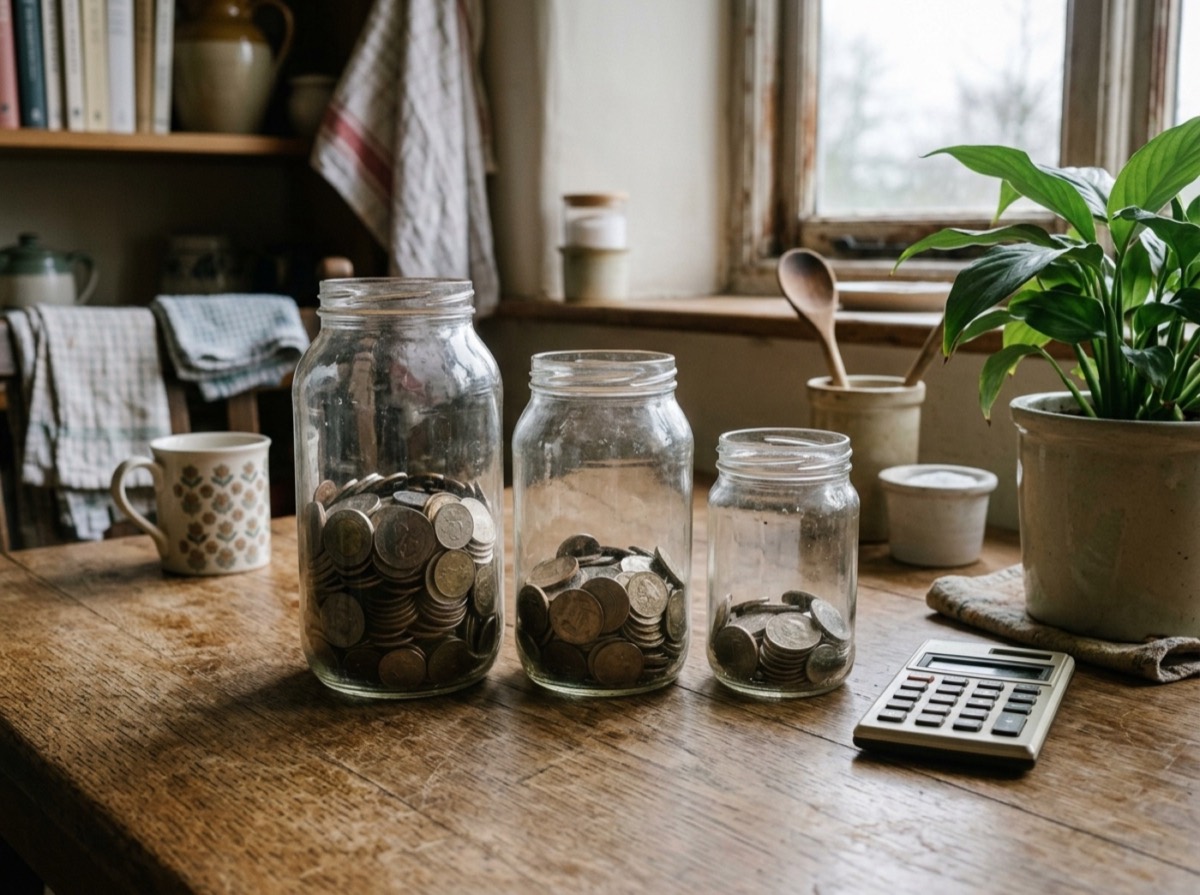
Knowing how to build an emergency fund is the foundation of every other money goal. An emergency fund is cash set aside only for unexpected costs, such as a broken boiler, a car repair or a sudden drop in income, so you can pay for them without a credit card, an overdraft or a loan from family.
This guide walks through how much to aim for, where to keep the money and how to build the fund step by step, even if you are starting from nothing. It is general information, not financial advice, so adjust the numbers to your own situation.
Why an emergency fund matters
Life produces surprise bills on a regular schedule; you just never know the date. Without a cash buffer, each surprise becomes debt, and debt costs interest that makes the next surprise harder to absorb.
An emergency fund breaks that cycle. It also buys you time: if you lose your job, a few months of savings lets you look for the right next role rather than taking the first offer out of panic. Many people say the biggest benefit is simply sleeping better.
How much should be in an emergency fund?
A widely used rule of thumb is three to six months of essential expenses. Note the word essential: rent or mortgage, utilities, food, insurance, transport, minimum debt payments and childcare. Restaurant meals and holidays do not count, because you would cut them in a crisis.
Where you land in that range depends on how stable your income is. Someone with a secure salary, a working partner and no dependants can lean towards three months. A self-employed person, a single-income family or anyone in a volatile industry is better served by six months or more.
- Closer to 3 months: stable job, two incomes, low fixed costs, good insurance cover.
- Closer to 6 months or more: freelance or commission income, one earner, children, older car or house that needs repairs.
- A first milestone for everyone: one month of essentials, or a smaller fixed sum that covers a typical repair bill.
An emergency fund turns a crisis into an inconvenience.
How to build an emergency fund step by step
Big targets feel impossible, so break the goal into stages and celebrate each one. The steps below work whether you can put aside a large or a very small amount each month.
- Add up your essential monthly costs from the last three months of bank statements.
- Multiply by your target number of months to get the full goal.
- Set a starter goal, such as one month of essentials, and focus only on that first.
- Open a separate savings account so the money is out of sight of daily spending.
- Set up an automatic transfer for the day after payday, even if the amount is small.
- Raise the transfer whenever your income rises or a bill disappears.
- Refill the fund after every withdrawal before returning to other goals.
How to start an emergency fund with no money
If there is nothing left at the end of the month, the money has to come from changing the month itself. Start by finding one or two leaks rather than trying to overhaul everything.
Small amounts add up faster than people expect. Setting aside a modest sum every week builds a meaningful buffer within a year, and the habit matters more than the size of the first deposits.
- Cancel subscriptions and memberships you no longer use.
- Sell things you do not need, such as unused electronics, furniture or clothes.
- Save windfalls: tax refunds, bonuses, cash gifts and any holiday pay.
- Round up: move the difference to savings every time you spend.
- Switch energy, phone or insurance contracts at renewal and bank the difference.
- Take on a short, time-limited side job with a clear savings target.
Where to keep your emergency fund
The best place for emergency savings is an account that is safe, easy to reach within a day or two and separate from your current account. An instant-access savings account or overnight deposit account usually fits. Look for one that pays interest, but treat interest as a bonus, not the main goal.
In the European Union, deposits are protected by national deposit guarantee schemes up to 100,000 euros per person per bank, which makes a regular bank account a sensible home for this money. Check that your bank is covered before you open the account.
- Avoid shares and funds: prices can fall exactly when you need the cash.
- Avoid fixed-term deposits unless only part of the fund is locked away.
- Avoid keeping large sums at home, where they can be lost or stolen.
- Name the account clearly, for example "Emergency only", to discourage casual spending.
Emergency fund or paying off debt first?
If you have expensive debt, such as an overdraft or credit card balance, it is tempting to throw every spare euro at it. The risk is that the next surprise bill goes straight back onto the card.
A common middle path is to build a small starter fund first, then focus on high-interest debt while making only small top-ups to savings, and finally grow the fund to its full size once the costly debt is gone. Keep paying at least the minimum on every debt throughout.
What counts as an emergency?
Decide the rules before you need them. A useful test has three parts: the cost is unexpected, it is necessary, and it is urgent. Job loss, medical costs, essential car or home repairs and urgent travel for family reasons usually pass. A sale, a holiday or a new phone because the old one is slow does not.
Predictable irregular costs, such as annual insurance premiums, car servicing or birthday gifts, are not emergencies either. Plan for them with separate savings pots so they do not drain your safety net.
Frequently asked questions
How much should I have in my emergency fund?
+
A common guideline is three to six months of essential living costs. Choose the lower end if your income is stable and you have a second earner, and the higher end if you are self-employed, have dependants or work in an unpredictable field.
Where is the best place to keep an emergency fund?
+
A separate, instant-access savings account at a bank covered by a deposit guarantee scheme is usually the best fit. The money stays safe, earns some interest and can be reached within a day or two.
Should an emergency fund be invested?
+
Generally no. Investments can fall in value at the same moment you lose income or face a big bill. Keep the core of the fund in cash and invest only money you will not need for several years.
How long does it take to build an emergency fund?
+
It depends on your income and costs, but many people take one to three years to reach the full target. Setting a smaller first milestone and automating transfers makes steady progress much more likely.
Should I save an emergency fund or pay off debt first?
+
Many people do both in stages: a small starter fund first, then a focus on high-interest debt, then the full fund. That way a surprise bill does not push you back into borrowing while you repay.
What should I do after using my emergency fund?
+
Pause other savings goals and rebuild the fund with the same automatic transfer that built it. If you had to use it for something predictable, create a separate savings pot for that cost in future.
An emergency fund is not exciting, and that is the point. It turns a crisis into an inconvenience. Work out your essential costs, set a starter goal, automate a transfer into a separate account and let the balance grow. Once the fund is in place, every other money goal, from paying off debt to investing, becomes easier and safer to pursue.
How we research: Guides are written from established sources and checked for accuracy. They are general information, not professional advice.
Written by
Bitezine Editorial Team
Rankings, reviews & guides
Our editors research every piece from makers’ documentation, independent tests and owner reports, and update it when products change.