Ranked · Food & Drink
Best Riesling producers in Germany in 2026
Ten of Germany's best Riesling producers, from legendary Mosel and Saar estates like Egon Müller and J.J. Prüm to Nahe, Rheinhessen and Rheingau stars.
 Bitezine Editorial TeamRankings, reviews & guides 10 min read
 AI generated
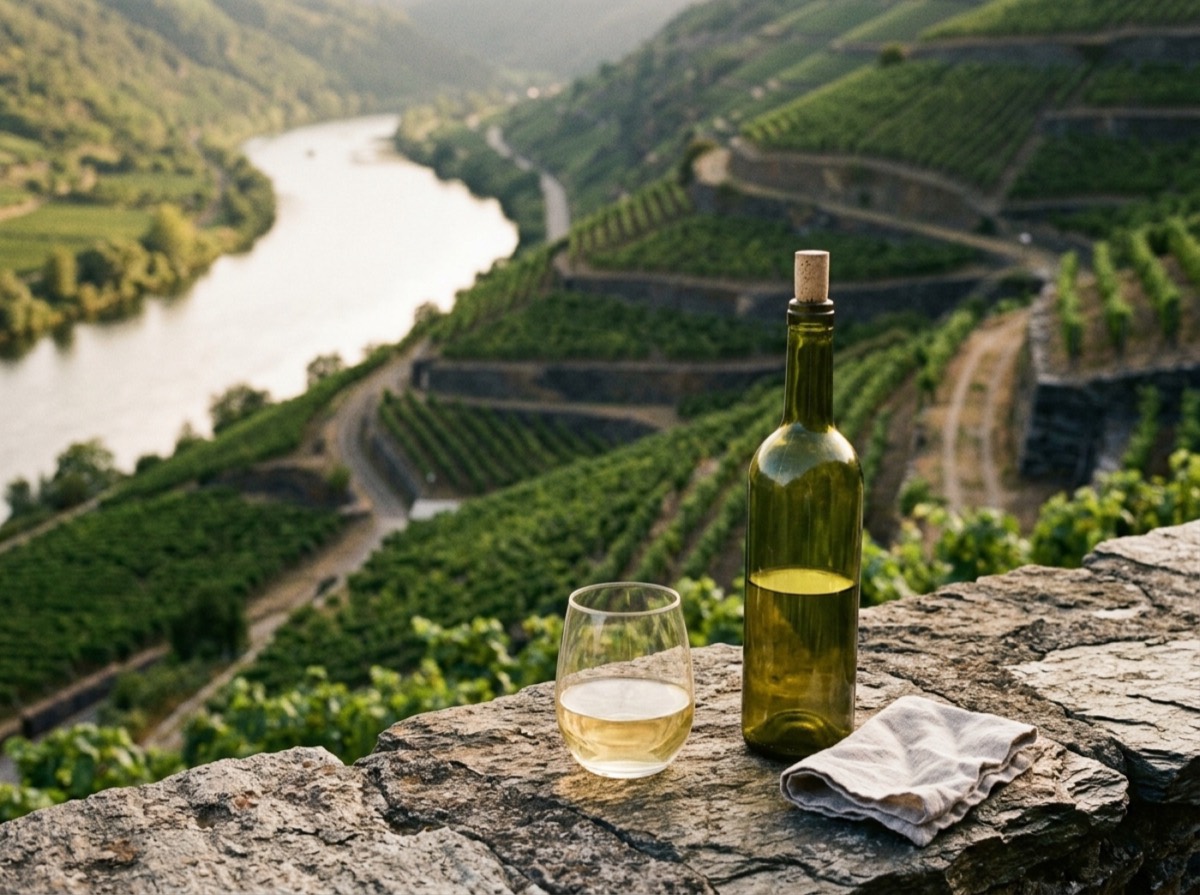
Germany's best Riesling producers make some of the most sought-after white wines in the world, from feather-light Mosel Kabinett to powerful dry Grosses Gewächs and rare sweet Trockenbeerenauslese. German Riesling is grown across the Mosel (including the Saar and Ruwer), Nahe, Rheinhessen, Rheingau and Pfalz, and each region gives the grape a different accent.
To build this list we focused on long-established estates with a strong international reputation, most of them members of the VDP, Germany's association of leading wine estates. We checked facts on the estates' own websites and in Wikipedia's German wine articles and aimed for a mix of regions and styles, both dry (trocken) and fruity or sweet. Many top bottles are allocated and expensive, so we also point to more accessible wines where they exist.
At a glance
#1 · Best for Collectors and special occasions
Egon Müller-Scharzhof
The benchmark Saar estate
Run by Egon Müller IV in Wiltingen on the Saar, this family estate is the best-known owner of the Scharzhofberg, a steep, south-facing slate vineyard. It farms about 16 hectares and makes roughly 80,000 bottles a year, and its sweet Beerenauslese, Trockenbeerenauslese and Eiswein reach top auction prices. The family has owned vineyard land here since 1797 and also runs the Le Gallais estate, acquired in 1954.
- Scharzhofberg Riesling
- Legendary sweet Prädikat wines
- About 16 ha, around 80,000 bottles
- Record-setting auction wines
- Region
- Saar (Mosel)
- Based in
- Wiltingen
- Style
- Fruity and noble sweet
#2 · Best for Cellaring classic Mosel wines
Weingut Joh. Jos. Prüm
Classic Mosel Riesling with sweetness
Founded in 1911 in Wehlen on the Mosel, J.J. Prüm is family-owned and today run by Manfred and Katharina Prüm. The estate is famous for long-lived Kabinett, Spätlese and Auslese from sites such as the Wehlener Sonnenuhr, and its wines have fetched record prices for young white wines. They are known for needing time in bottle to show their best.
- Founded 1911
- Wehlener Sonnenuhr Riesling
- Long-ageing Prädikat wines
- Family-owned
- Region
- Mosel
- Based in
- Wehlen
- Style
- Fruity-sweet
#3 · Best for Dry Riesling fans
Weingut Keller
Germany's most sought-after dry Riesling
Based in Flörsheim-Dalsheim in Rheinhessen, Weingut Keller has been led in vineyard and cellar by Klaus Peter Keller since the 2000 vintage. The family has owned the Dalsheimer Hubacker vineyard since 1789, and its dry Rieslings, including the rare G-Max, are among the most sought-after white wines from Germany. The top bottles are highly allocated.
- Iconic dry Riesling
- Dalsheimer Hubacker in family hands since 1789
- Rare G-Max bottling
- Grosses Gewächs wines
- Region
- Rheinhessen
- Based in
- Flörsheim-Dalsheim
- Style
- Mostly dry

#4 · Best for Precise, mineral Riesling
Weingut Dönnhoff
The Nahe's reference estate
Dönnhoff in Oberhausen made the Nahe famous for Riesling. Helmut Dönnhoff took over in 1971 and grew the estate to about 28 hectares, and his son Cornelius has been responsible for the cellar since 2007. Vines grow on steep slopes of slate and volcanic soils, and the estate has been a VDP member since 1991.
- About 28 ha of steep vineyards
- Slate and volcanic soils
- Dry and fruity Rieslings
- VDP member since 1991
- Region
- Nahe
- Based in
- Oberhausen
- Style
- Dry and fruity-sweet

#5 · Best for A reliable first top-estate Riesling
Weingut Robert Weil
The Rheingau's flagship estate
Robert Weil founded this Kiedrich estate in 1875, and it has been a VDP member since 1907. Now run by the fourth generation, Wilhelm Weil, it farms around 90 hectares and has been owned by Japan's Suntory since 1988. The range runs from widely available estate Riesling to Gräfenberg single-vineyard wines and noble sweet rarities.
- Founded 1875
- Around 90 ha in Kiedrich
- Gräfenberg single-vineyard wines
- Easy-to-find estate Riesling
- Region
- Rheingau
- Based in
- Kiedrich
- Style
- Dry to noble sweet

#6 · Best for Organic and biodynamic wine lovers
Weingut Wittmann
Biodynamic dry Riesling from Rheinhessen
The Wittmann family in Westhofen switched to organic farming in the 1980s and to biodynamic farming in 2003. Philipp Wittmann, cellar master since the 1999 vintage, has helped raise the reputation of Rheinhessen with precise dry Rieslings, including Grosses Gewächs from the Morstein vineyard. The estate farms about 28 hectares and is a VDP member.
- Biodynamic since 2003
- Dry Grosses Gewächs wines
- About 28 ha
- VDP member
- Region
- Rheinhessen
- Based in
- Westhofen
- Style
- Mostly dry
#7 · Best for Elegant dry Riesling
Weingut Emrich-Schönleber
Pure, precise Nahe Riesling
Werner and Frank Schönleber run this Monzingen estate, which Werner built up from just two hectares from the late 1960s. Today it farms about 20 hectares, 85 per cent of it Riesling, and produces around 140,000 bottles a year. It is admired for crystalline dry Rieslings, including wines from the Halenberg and Frühlingsplätzchen sites.
- About 85% Riesling
- Around 20 ha
- Dry Rieslings and noble sweet wines
- Family-run
- Region
- Nahe
- Based in
- Monzingen
- Style
- Mostly dry
#8 · Best for Exploring Mosel vineyards
Weingut Markus Molitor
Ambitious Mosel estate with many top sites
Markus Molitor took over his family estate in Bernkastel-Wehlen in 1984 and has built it to around 65 hectares across the Mosel and Saar, with about 90 per cent Riesling. Sites include the Wehlener Sonnenuhr and Graacher Domprobst, and in 2015 three of its Auslese Rieslings received 100-point scores from The Wine Advocate. The range covers dry, off-dry and sweet styles.
- Around 65 ha, about 90% Riesling
- Many top Mosel and Saar sites
- Dry, off-dry and sweet styles
- Multiple 100-point wines
- Region
- Mosel and Saar
- Based in
- Bernkastel-Wehlen
- Style
- Dry to sweet

#9 · Best for Modern, food-friendly Saar Riesling
Weingut Van Volxem
Revived Saar estate with dry focus
Roman Niewodniczanski took over this historic Wiltingen estate in 1999 and restored the Van Volxem name. It now farms about 85 hectares, almost entirely Riesling, in top Saar sites including the Scharzhofberg, and its wines are fermented with wild yeasts and made without fining. A new winery opened on the Wiltinger Schlossberg in 2019.
- About 85 ha, 98% Riesling
- Wild-yeast fermentation, no fining
- Dry to off-dry styles
- VDP member since 2007
- Region
- Saar (Mosel)
- Based in
- Wiltingen
- Style
- Dry to off-dry
#10 · Best for Easy-to-find quality Riesling
Weingut Dr. Loosen
Best known Mosel name worldwide
Ernst Loosen's estate near Bernkastel on the Mosel is one of Germany's most internationally known Riesling producers, and Decanter named him its Man of the Year in 2005. Alongside single-vineyard Mosel wines, the family runs Villa Wolf in the Pfalz, acquired in 1996, and makes the easy-to-find Dr. L Riesling. It is also known for the Eroica Riesling partnership in Washington State.
- Single-vineyard Mosel Rieslings
- Accessible Dr. L Riesling
- Villa Wolf estate in the Pfalz
- International partnerships
- Region
- Mosel
- Based in
- Bernkastel-Kues
- Style
- Dry to sweet
How to choose
Start with style. If you like dry white wine, look for 'trocken' on the label and for VDP Grosses Gewächs (GG) wines from estates such as Keller, Wittmann, Dönnhoff, Emrich-Schönleber and Robert Weil. If you prefer a touch of sweetness balanced by acidity, the Prädikat levels Kabinett, Spätlese and Auslese from the Mosel and Saar, from J.J. Prüm, Egon Müller or Markus Molitor, are the classic choice.
Then think about region and budget. Mosel and Saar Rieslings tend to be lighter, lower in alcohol and racy; Nahe Rieslings are often mineral and precise; Rheinhessen and Rheingau give fuller dry wines. Estate wines (Gutswein) and village wines (Ortswein) from these top producers are a much cheaper way in than their single-vineyard bottlings, and good German Riesling ages beautifully for decades.
Frequently asked questions
Who makes the best Riesling in Germany?
+
Estates often named among Germany's best Riesling producers include Egon Müller and Van Volxem on the Saar, J.J. Prüm and Markus Molitor on the Mosel, Keller and Wittmann in Rheinhessen, Dönnhoff and Emrich-Schönleber on the Nahe, and Robert Weil in the Rheingau.
Which German wine region is best for Riesling?
+
The Mosel, including the Saar and Ruwer, is the most famous region for Riesling, especially for lighter wines with some sweetness. The Nahe, Rheingau, Rheinhessen and Pfalz are also excellent, particularly for dry Riesling.
What is the difference between Kabinett, Spätlese and Auslese?
+
These Prädikat levels are based on the ripeness of the grapes at harvest, rising from Kabinett to Spätlese to Auslese, and then Beerenauslese and Trockenbeerenauslese. Riper grapes usually give richer and often sweeter wines, but a wine labelled trocken is dry regardless.
What does Grosses Gewächs mean?
+
Grosses Gewächs (GG) is the VDP's term for a dry wine from a Grosse Lage, the association's top vineyard classification. It is roughly comparable to a grand cru and is one of the best-known categories for dry German Riesling.
Is German Riesling sweet or dry?
+
Both. Much of Germany's top Riesling today is dry (trocken), but the country is also famous for Rieslings with natural sweetness balanced by high acidity. Check the label for 'trocken' (dry), 'feinherb' (off-dry) or a Prädikat level without 'trocken'.
Why is Egon Müller Riesling so expensive?
+
Egon Müller-Scharzhof farms around 16 hectares, mainly on the famous Scharzhofberg, and makes only about 80,000 bottles a year. Its rare sweet wines sell at auction, and a 2003 Trockenbeerenauslese set a record price for a young wine.
How long can German Riesling age?
+
High-quality German Riesling can age for many years thanks to its acidity. Good Kabinett and dry Grosses Gewächs can improve for a decade or more, and top sweet wines can age for several decades.
Egon Müller and J.J. Prüm remain the benchmarks for Mosel and Saar Riesling with sweetness, while Keller, Wittmann and Dönnhoff lead the way for dry German Riesling. For value and availability, start with the estate Rieslings of Dr. Loosen, Robert Weil or Van Volxem, then work your way up to the single-vineyard wines.
How we research: We compare each product on the same criteria, using makers’ documentation, independent reviews and owner feedback, and re-check the list when products change.
Written by
Bitezine Editorial Team
Rankings, reviews & guides
Our editors research every piece from makers’ documentation, independent tests and owner reports, and update it when products change.