Living
How to declutter your home, room by room
A calm, room-by-room plan to declutter your home: where to start, what to keep, what to let go of, and how to stop the clutter from coming back.
 Bitezine Editorial TeamRankings, reviews & guides 5 min read
 AI generated
Knowing how to declutter your home starts with accepting that you do not have to do it all at once. Clutter builds up over years, and it comes down fastest when you work in small, defined areas, one room at a time, with clear rules for what stays.
This guide gives you a simple sorting system, a room-by-room plan and a few habits that keep the house from filling up again.
Where to start decluttering
Start with the space that bothers you most but carries the least emotional weight. A bathroom cabinet, the entryway or a single kitchen drawer are good choices. A quick, visible win builds momentum for harder areas.
Leave sentimental items such as photos, letters and inherited pieces until last. By then your decision-making skills are sharper and you have a clearer sense of how much space you want to give them.
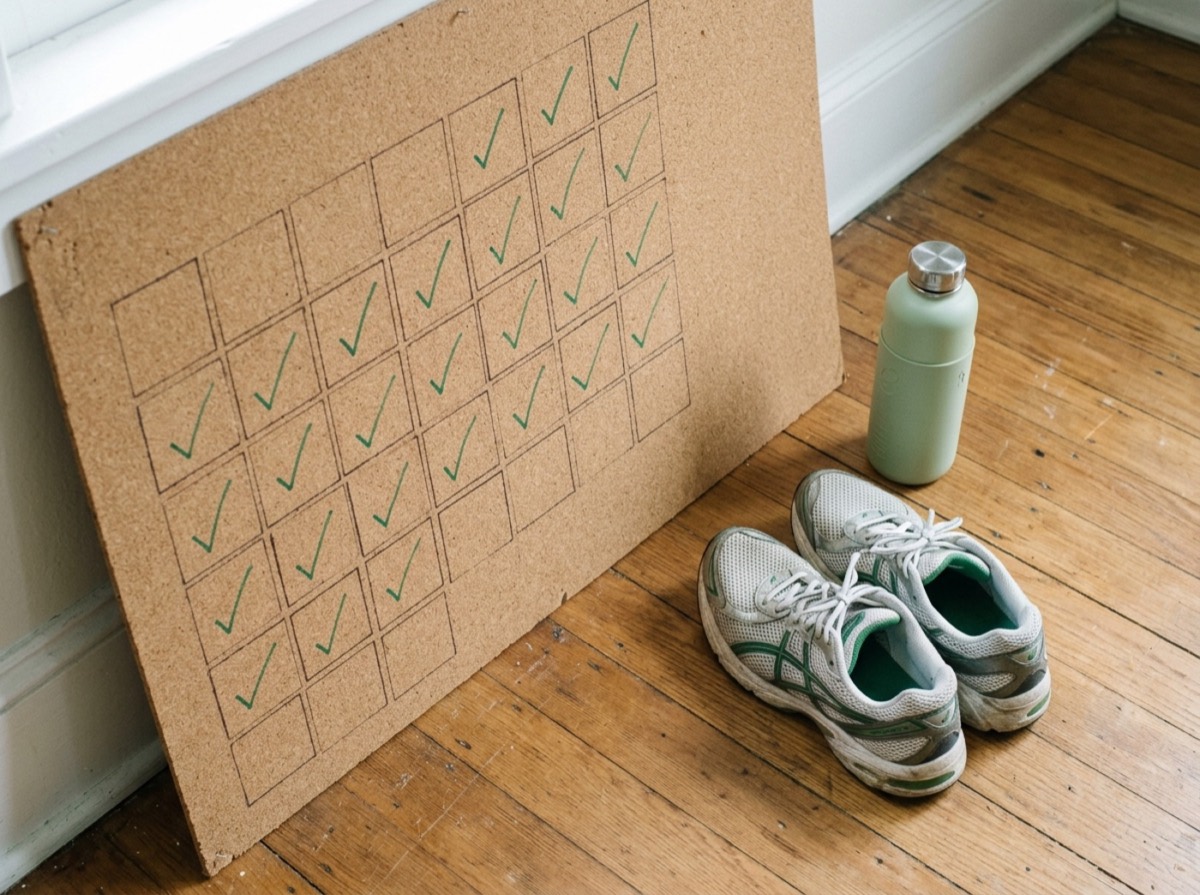
Set a timer for 15 to 30 minutes and pick one zone you can finish in that time. Finishing a small area is better than half-emptying a whole room and leaving a bigger mess.
Use the four-box method
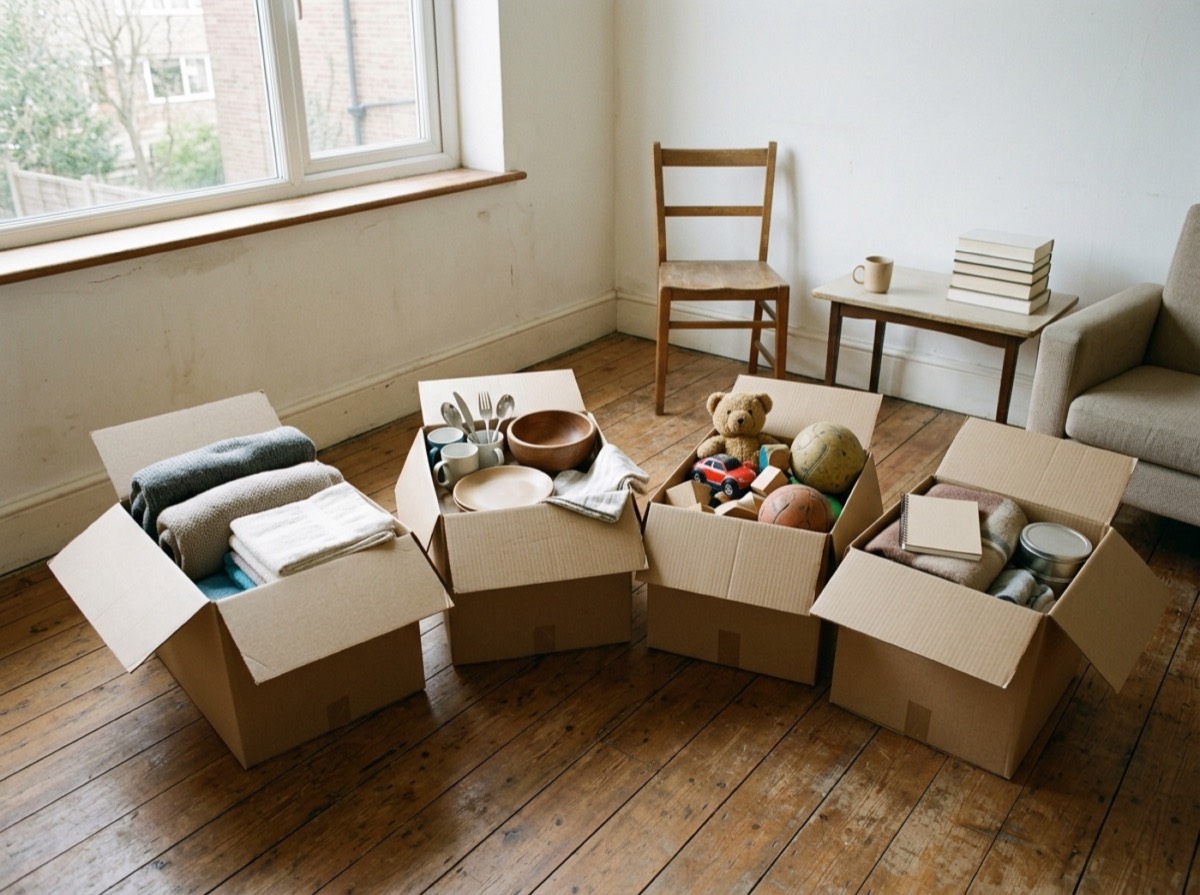
Before you start, set up four boxes or bags. Every item you pick up goes into one of them, and you decide once rather than moving things from pile to pile.
- Keep: things you use regularly or truly love, which will go back in a set place.
- Donate or sell: items in good condition that someone else could use.
- Relocate: things that belong in another room.
- Discard: broken, expired, stained or unusable items, recycled where possible.
Finishing one small area beats half-emptying a whole room.
Questions to decide what to keep
When you are stuck on an item, ask a few direct questions. Have I used this in the last year? Would I buy it again today? Do I have another one that does the same job? Am I keeping it only out of guilt or "just in case"?
If an item fails most of these questions, it is probably clutter. For true maybe-items, put them in a dated box. If you have not opened it in six months, donate the box without looking inside.
How to declutter room by room: kitchen and pantry
Every room collects its own kind of clutter, so work through them one at a time, starting with whichever causes the most daily friction. The kitchen is a good first stop.
Empty one cabinet or shelf at a time and wipe it down before putting anything back. Check dates on spices, sauces and canned goods. Most kitchens hold duplicate tools, mismatched food containers and single-use gadgets that rarely leave the drawer.
Keep daily-use items within easy reach and move occasional ones, such as holiday bakeware, higher up or to storage. Clear counters make the kitchen feel larger and are easier to clean.
- Food storage containers without matching lids
- Chipped mugs and extra glasses
- Expired food and spices
- Duplicate utensils and unused appliances
Bedroom and closet
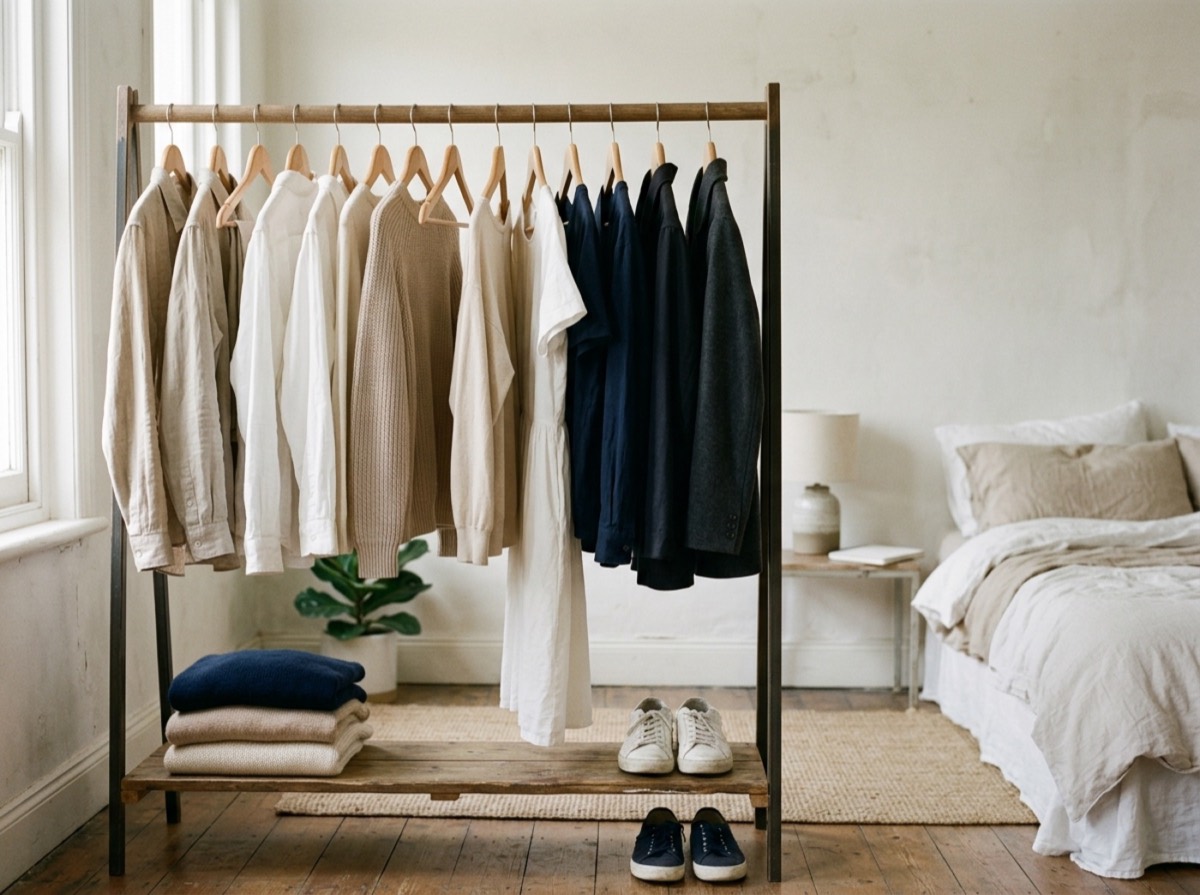
The bedroom should support rest, so aim to keep surfaces mostly clear. In the closet, take everything out of one category at a time, such as all shirts, and keep only what fits, feels good and matches how you live now.
A simple test for clothing: turn all hangers one way, and flip each hanger after you wear the item. After a season, the unturned hangers show you what you do not actually wear.
Living room, bathroom and entryway
In the living room, focus on flat surfaces, media, old magazines and cables for devices you no longer own. Give remotes, chargers and blankets a defined home, such as a basket or a drawer.
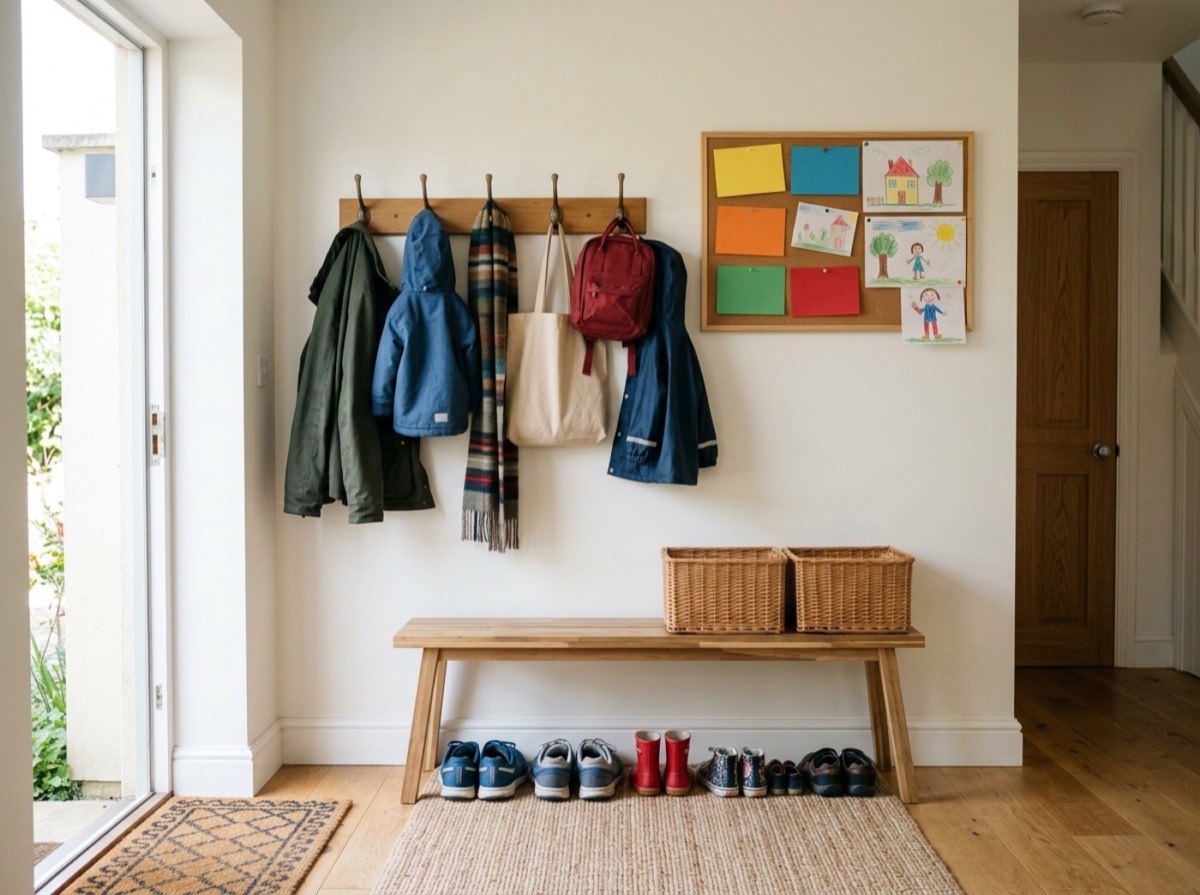
In the bathroom, discard expired medicine through a proper take-back option, along with old makeup, near-empty bottles and hotel toiletries you never use. At the entryway, keep only the shoes and coats in current rotation and add a tray or hook for keys and bags so they stop landing on the nearest table.
Home office, paperwork and storage spaces
Paper is one of the biggest sources of hidden clutter. Sort it into action, file and shred. Scan or photograph documents you only need for reference, and keep originals of important records such as identity documents, contracts and tax papers for as long as required where you live.
Garages, basements and attics come last because they take the most time. Tackle them in half-day sessions, and arrange for donation pickup or a trip to the recycling center at the end of each session so nothing drifts back inside.
How to keep your home clutter-free
Decluttering is a project. Staying clutter-free is a set of habits. The ones below take only minutes a day.
- Follow a one-in, one-out rule: when something new comes in, something similar leaves.
- Give every item a home, so tidying means returning things rather than deciding where they go.
- Do a ten-minute reset each evening to put things back.
- Keep a donation bag in a closet and add to it whenever you notice something you no longer need.
- Pause before buying and ask where the item will live.
Frequently asked questions
What is the fastest way to declutter a house?
+
Work in short, timed sessions on one small area, and start with obvious trash and items that belong elsewhere. Use four boxes so each decision is made once. Quick wins in low-emotion spaces build speed for the rest of the house.
How do I declutter when I feel overwhelmed?
+
Shrink the task. Pick a single drawer or shelf and set a 15-minute timer. Stopping after one finished area is fine; small, completed steps reduce stress more than a big plan you never begin.
Which room should I declutter first?
+
Choose the room that causes the most daily frustration but holds few sentimental items, often the kitchen, bathroom or entryway. Save rooms full of memories, such as a spare room with old keepsakes, for later.
What should I do with things I declutter?
+
Donate usable items to charities or local community groups, sell higher-value pieces, and recycle what you can. Dispose of medicines, batteries and electronics through the proper collection points in your area. Take items out of the house quickly so they do not creep back.
How do I let go of sentimental items?
+
Keep the best few pieces instead of everything, and give them a place where you can see and enjoy them. Photograph items you want to remember but do not need to store. Remember that the memory stays with you, not with the object.
How often should you declutter your home?
+
A light daily reset plus a deeper pass once or twice a year works for most households. Seasonal clothing changes and the start of a new school year are natural times to review what you own.
Decluttering your home is a series of small decisions, not a single heroic weekend. Pick one area, sort with a clear system, get the unwanted items out of the house and give everything that stays a home. Then protect the result with a few daily habits. The payoff is a home that is easier to clean, calmer to live in and quicker to reset at the end of each day.
How we research: Guides are written from established sources and checked for accuracy. They are general information, not professional advice.
Written by
Bitezine Editorial Team
Rankings, reviews & guides
Our editors research every piece from makers’ documentation, independent tests and owner reports, and update it when products change.