Guides
How to clean an oven: natural methods, oven cleaner and self-clean
How to clean an oven safely: a baking soda method, using oven cleaner correctly, pyrolytic and catalytic self-clean, plus racks, glass door and seals.
 Bitezine Editorial TeamRankings, reviews & guides 6 min read
 AI generated
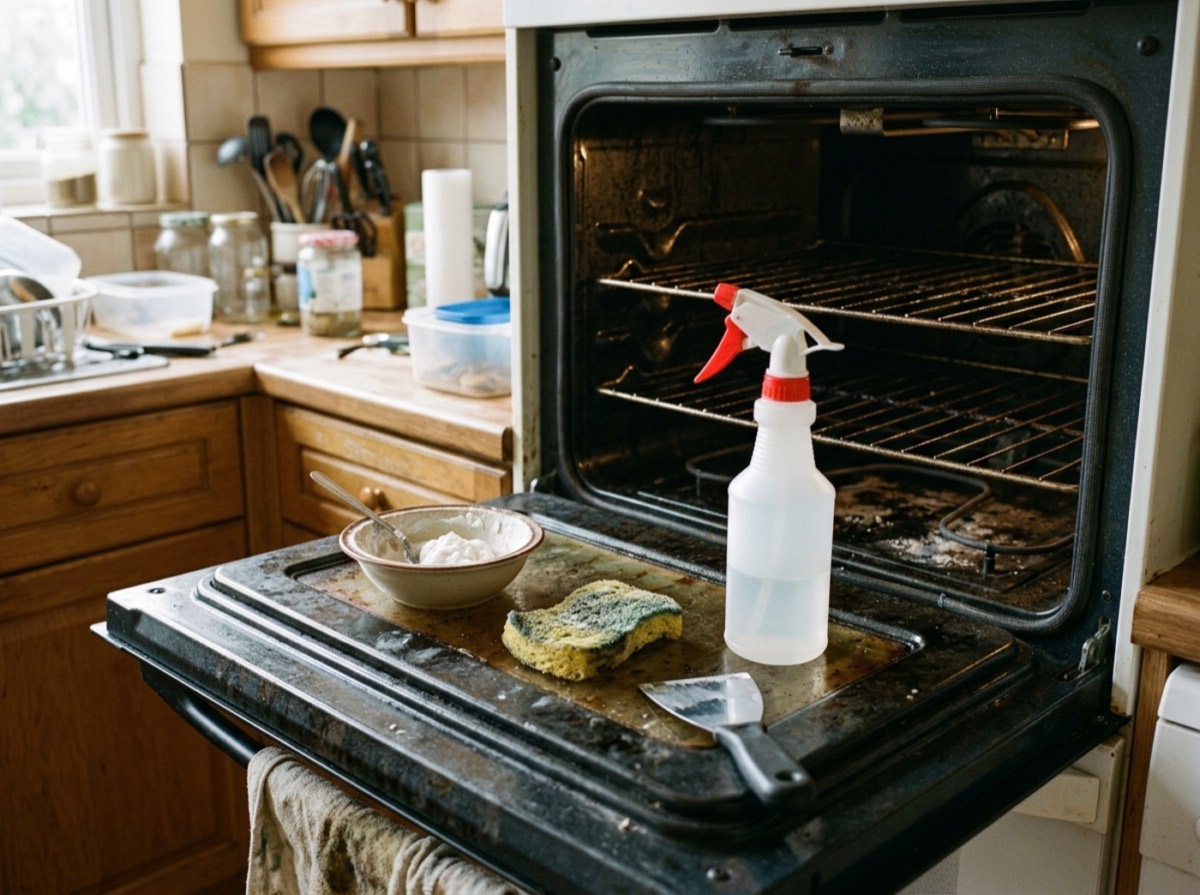
Learning how to clean an oven properly turns one of the least popular household chores into a manageable job. Burnt-on grease is not only unsightly: it smokes when heated, can make food taste stale and, in extreme cases, can catch fire.
This guide explains how to check what kind of oven you have, a low-fume baking soda method, how to use commercial oven cleaner safely, how self-cleaning functions work, and how to deal with racks, glass doors and seals. It ends with simple habits that make the next clean far easier.
Check your oven type and manual first
Before reaching for any cleaner, find out what your oven interior is made of. Many ovens have plain enamel, which tolerates most cleaning methods. Others have catalytic liners, textured panels that absorb and break down grease during cooking; scrubbing them or using oven cleaner on them can destroy the coating. Pyrolytic ovens clean themselves with very high heat.
The manual, usually available on the manufacturer's website, tells you which products are safe, whether the door glass can be removed and how to take out racks and side runners. Always switch the oven off and let it cool fully before cleaning, and for a deep clean, isolate it at the switch.
How to clean an oven with baking soda and vinegar
This method uses no harsh fumes and suits enamel interiors. It needs time rather than effort, so start the evening before.
- Remove racks, trays, runners and any thermometers
- Mix about half a cup of baking soda with a few tablespoons of water into a spreadable paste
- Wearing gloves, spread the paste over the base, sides, back and inside of the door, avoiding heating elements, fans and gas burner ports
- Leave it overnight, or at least 12 hours; the paste may turn brown as it loosens grease
- Wipe out as much paste as possible with a damp cloth, using a plastic scraper for stubborn spots
- Spray a little white vinegar on any remaining residue; it fizzes with the baking soda and helps lift it
- Wipe again with clean water until no white film remains, then dry and refit the parts
A baking soda paste left overnight does most of the scrubbing for you.
How to use oven cleaner safely
Commercial oven cleaners work fast on heavy, carbonised grease because many contain strongly alkaline ingredients such as sodium hydroxide, also known as lye or caustic soda. These are corrosive: they can burn skin and cause serious eye damage, and their fumes irritate the airways.
Used carefully, they are effective. Read the label every time, because instructions differ between products, and keep children and pets away from the kitchen while you work.
- Wear chemical-resistant gloves and eye protection, and cover your arms
- Open windows and switch on the extractor fan
- Apply only to cold enamel surfaces, not to catalytic liners, self-clean interiors, heating elements, fans, seals or aluminium
- Leave for the time on the label, and no longer
- Wipe off thoroughly with plenty of water and repeat the rinse, as residue can smoke and smell when heated
- Never mix oven cleaner with other products, including bleach or vinegar
- Store it in its original container, locked away from children
How to use a self-cleaning oven
Pyrolytic ovens heat to around 500°C, turning food residue into fine ash. A cycle typically lasts a few hours, and the door locks automatically until the oven has cooled to a safe temperature. Afterwards, you simply wipe out the ash with a damp cloth.
Remove racks, trays and runners unless the manual says they can stay in, and wipe away large spills first, which reduces smoke. Ventilate the kitchen, as the cycle can produce smoke and odours. Fumes from overheated non-stick coatings are dangerous to pet birds, so move birds well away from the kitchen. Never leave the house while the cycle runs, and never use oven cleaner in a pyrolytic oven.
Catalytic liners work at normal cooking temperatures. Running the empty oven at a high temperature for a while after roasting helps them break down fresh grease. They wear out over years and can be replaced. Steam or hydrolytic cleaning functions soften light soiling with water and gentle heat, then you wipe it away; they suit regular upkeep rather than burnt-on deposits.
How to clean oven racks and trays
Racks collect baked-on grease that is easiest to lift after a long soak. Lay an old towel in the bath to protect it, place the racks on top and cover them with hot water. Add a generous amount of washing-up liquid, or a few dishwasher tablets, and leave them for several hours or overnight.
Scrub with a stiff brush or non-scratch scourer, rinse and dry. Heavily soiled trays respond to a baking soda paste left overnight. Check the manual before putting racks in the dishwasher, as some finishes discolour.
How to clean the oven glass door
Spread baking soda paste over the inside of the cold glass, leave it for 20 minutes or longer, then wipe and polish with a damp microfibre cloth. A plastic scraper or glass scraper held flat removes stubborn spots without scratching. Avoid abrasive pads, which scratch and weaken the glass.
Grease often gets between the panes. On many ovens, the door can be lifted off its hinges and the inner glass removed for cleaning. Follow the manual exactly, because the door is heavy, the hinges are spring-loaded and the panes must go back in the correct order and orientation.
Clean the rubber door seal gently with warm soapy water only. A damaged seal lets heat escape and should be replaced.
How often should you clean your oven?
Most households benefit from a deep clean every three to six months, with quick wipes in between. Clean sooner if the oven smokes when preheating, smells of old food or shows heavy spills.
Small habits prevent big jobs.
- Wipe fresh spills once the oven is cool but still slightly warm
- Use a baking tray under dishes that may bubble over
- Cover roasting dishes to reduce splatter
- Line the bottom tray, not the oven floor, with foil or a reusable liner if your manual allows it
- Run a steam or catalytic cycle regularly if your oven has one
Frequently asked questions
What is the easiest way to clean an oven?
+
For enamel ovens, spread a baking soda paste inside, leave it overnight and wipe it off, using a spray of vinegar for any residue. If your oven has a pyrolytic self-clean function, running the cycle and wiping out the ash is easier still.
Is oven cleaner toxic?
+
Many oven cleaners contain corrosive ingredients like sodium hydroxide that can burn skin and eyes and irritate the lungs. Use them with gloves, eye protection and good ventilation, follow the label and rinse the oven thoroughly afterwards.
Can you use oven cleaner on a self-cleaning oven?
+
Generally no. Oven cleaner can damage pyrolytic enamel and catalytic liners. Use the built-in cleaning cycle and check the manual for approved products.
How do you clean between the glass on an oven door?
+
On many models, the door lifts off and the inner pane can be removed for cleaning. Follow your manual carefully, as hinges are spring-loaded and the glass must be refitted correctly.
Why does my oven smoke after cleaning?
+
Leftover cleaner or baking soda residue burns when heated. Wipe the interior again with clean water, dry it, and run the empty oven briefly with the windows open.
Is it safe to be in the house during a self-cleaning cycle?
+
Yes, but stay nearby, ventilate the kitchen and keep children away from the hot door. Move pet birds far from the kitchen, as they are very sensitive to fumes.
Cleaning an oven is easiest when you match the method to the oven: a baking soda paste for enamel, a careful application of oven cleaner for heavy grease, and the built-in cycle for pyrolytic and catalytic models. Protect your skin, eyes and lungs, never mix products, and rinse thoroughly. Wipe spills early and use a tray under dishes, and a deep clean every few months will stay a short job.
How we research: Guides are written from established sources and checked for accuracy. They are general information, not professional advice.
Written by
Bitezine Editorial Team
Rankings, reviews & guides
Our editors research every piece from makers’ documentation, independent tests and owner reports, and update it when products change.